Overview
Related Projects
Electrical engineer focused on RF systems, flight test, and hardware validation, with hands-on work across UAS operations, embedded hardware, SDR, FPGA, CubeSat communications, maritime EMC, and photonics.
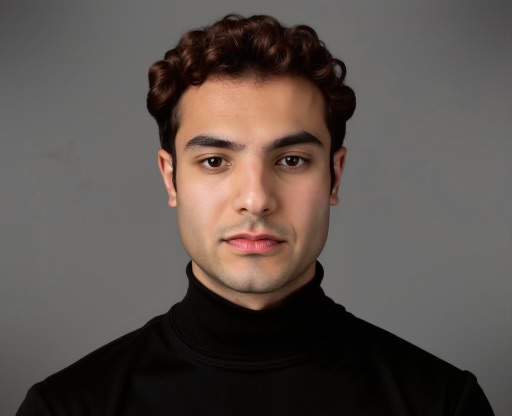
I'm an Electrical Engineer and University of British Columbia graduate with hands-on experience across autonomous aircraft, satellite hardware, maritime communication systems, photonic integrated circuits, RF systems, and drone platforms.
My work spans R&D flight test operations at Zipline International, the UBC ORBIT Satellite Design Team, an internship at Seaspan, and a year-long capstone with Huawei Canada. I'm also training for my pilot's license. I'm drawn to the boundary between hardware and software, especially where signal integrity, safety, and system-level thinking decide whether something works in the real world.
These are the projects that, over the years, I have been most proud of.